Sydney’s Natural Landscape: A Coastal Basin Shaped by Ancient Rivers and Sandstone
Posted by on
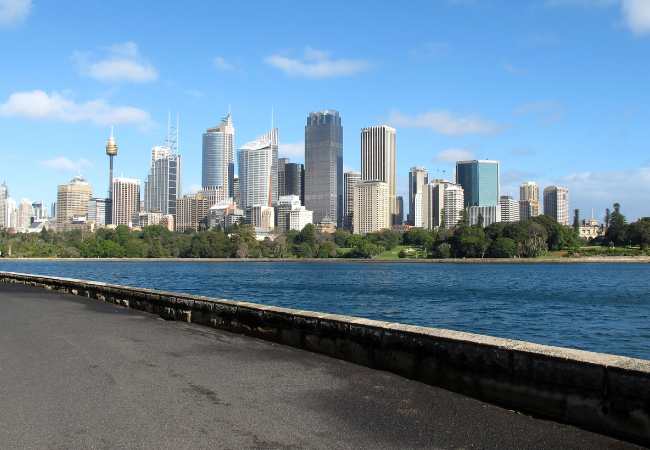
The city of Sydney is located on a distinctive coastal basin bordered by the Tasman Sea to the east, the Blue Mountains to the west, the Hawkesbury River to the north, and the Woronora Plateau to the south. This varied landscape has played a major role in shaping the city’s development, settlement patterns, and natural beauty.
6
Geographically, Sydney is divided into two main regions. The Cumberland Plain lies to the south and west of Sydney Harbour and is relatively flat, making it the earliest area of urban development. In contrast, the Hornsby Plateau to the north is characterised by steep valleys and rugged terrain. The expansion of infrastructure such as the Sydney Harbour Bridge allowed northern regions to become more accessible and heavily populated over time.
Sydney’s coastline is famous for its natural beauty, featuring around 70 surf beaches, with Bondi Beach being the most iconic. Major river systems also define the region’s geography. The Nepean River flows along the western edge before becoming the Hawkesbury River, while the Parramatta River drains much of western Sydney into Port Jackson. The southern areas are shaped by the Georges River and Cooks River, which flow into Botany Bay.
The boundaries of Sydney vary depending on definition. The Greater Sydney region covers over 12,000 square kilometres, including surrounding areas such as the Blue Mountains, Hawkesbury, and Central Coast, while the City of Sydney itself is a much smaller urban core.
Geology: A City Built on Ancient Sandstone
Sydney’s landscape is dominated by Triassic-age geology, particularly the famous Sydney sandstone. This rock formation was created between 360 and 200 million years ago from ancient river sediments. Over time, these sediments hardened into sandstone, forming cliffs, valleys, and coastal formations that define much of the modern city.
7
Much of Sydney’s exposed rock is Sydney sandstone, interspersed with shale layers and occasional volcanic formations, such as those found in the Prospect dolerite intrusion. Beneath the surface, the Sydney Basin includes a mix of sedimentary layers, including the Wianamatta shale, which formed from ancient river deltas during the Triassic period.
These geological processes also shaped Sydney’s dramatic coastal features. Deep valleys known as rias were carved into the landscape and later flooded by rising sea levels between 18,000 and 6,000 years ago, forming natural harbours such as Sydney Harbour itself. The region also features two main soil types: sandy soils derived from sandstone and clay soils originating from shale and volcanic rock.
The combination of ancient geology, river systems, and coastal flooding has created a diverse environment that continues to define Sydney’s identity as both a natural and urban landscape.
🌟 About Our Company – CG Commercial Cleaning
At CG Commercial Cleaning, we are proud to serve the diverse and growing city of Sydney with professional, reliable, and eco-friendly cleaning services. With over 25 years of experience and triple ISO certification, we understand the importance of maintaining clean and safe environments across offices, commercial buildings, and industrial sites. Our expert team is committed to delivering consistent quality, attention to detail, and customer satisfaction—helping Sydney businesses operate in healthier, more productive spaces every day.